Introducing EDHStat
Written by, Funnan on April 5, 2026
We’re building another product at Funnan Software, and this one is aimed squarely at one of the games we keep coming back to: Commander.
EDHStat is a tracker for EDH games that focuses on the parts of a match people actually lose track of at the table: life totals, counter changes, turn history, and the stats you want to look back on after the game is over. It’s already live at edhstat.com, and it’s in active development.
The goal is straightforward: make it easier to run a clean game, settle questions quickly, and keep a useful record of what actually happened.
What EDHStat Does Today
At its core, EDHStat starts as a game tracker for up to four players. Each player gets a dedicated panel with life totals, turn timing, and quick access to the actions that matter during a Commander game.
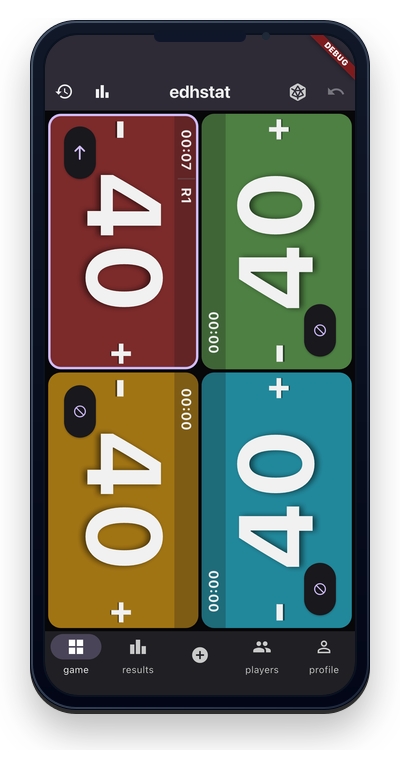
That alone is useful, but the part that makes the app more interesting is the logging. Instead of treating the game as a single final result, EDHStat records the sequence of changes that got you there.
Action Logging Without Guesswork
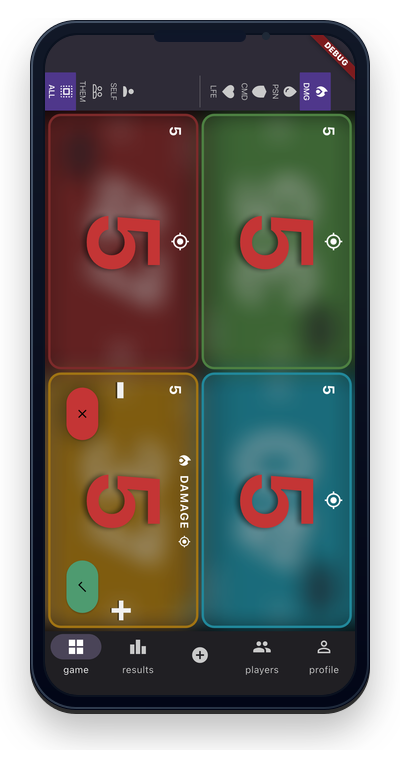
Commander games get messy fast. Life changes, poison counters, commander damage, and incidental effects all pile up over a long session, and by the time something looks wrong it’s usually too late to reconstruct the state from memory.
EDHStat includes an action overlay for logging specific changes as they happen. That makes the app more than a digital life counter. It becomes a running record of the game state.
Full Turn History
Every logged change feeds into a turn-by-turn history view. If someone asks how a player got to a certain life total, or whether a poison counter was already on the board two rounds ago, you have something concrete to check.
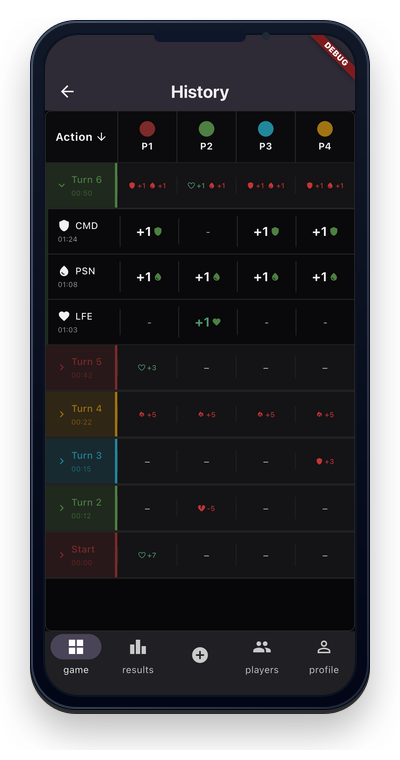
That history is useful for more than resolving table disputes. It also makes games easier to learn from. You can review how momentum shifted, when a player stabilized, or which round changed the entire table.
Post-Game Stats
Once a game ends, EDHStat can turn that recorded history into something more readable. Right now that includes stat views for life and time so you can see how a game developed instead of relying on a vague memory of how it felt.
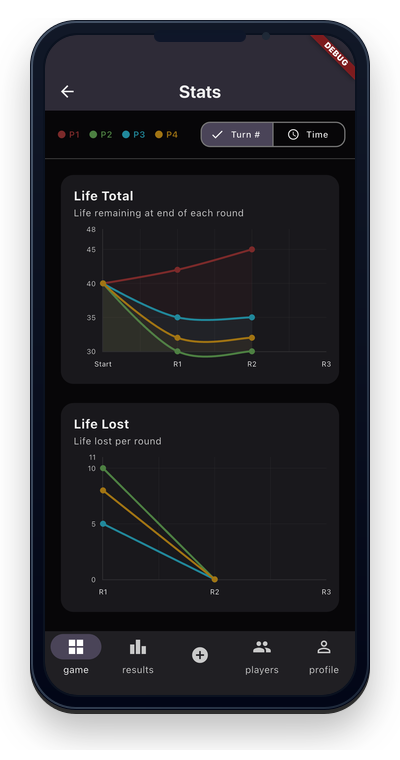
This is the part of the product I’m especially interested in pushing further. Commander is a social format, but it’s also a format full of patterns: who tends to spike early, who stabilizes late, how long games run, and how different pods play over time. EDHStat is meant to make those patterns visible.
Why Build It
A lot of life counter apps stop at replacing pen and paper. That’s useful, but it leaves a lot on the table.
Commander games generate interesting data. Not in an abstract analytics sense, but in a very practical one: which turns mattered, how games progressed, and what your group tends to do over a night of matches. EDHStat is being built around the idea that tracking should help during the game and also give you something worth reviewing afterward.
Active Development
EDHStat is not a finished product with a sealed feature set. It’s an active project, and this early version is about getting the core tracking flow right first: logging actions quickly, keeping history readable, and making the stats genuinely useful.
If that sounds interesting, you can try the live app now at edhstat.com or read more on the EDHStat product page.
We’ll keep sharing updates here as the product evolves.